- Vinyl-Records>
- The Vinyl Revival
Why Vinyl Records?
Why Vinyl Records ContinueTheir Revival?
Why Vinyl Records? Why are they so popular still? It’s a fair question in a world where almost any song is a tap away. Yet more people are flipping records, reading liner notes, and soaking in that unmistakable analogue vibe. Let’s unpack the real reasons—clear, simple, and from a music lover’s point of view.
Here’s the short version: people are rediscovering sound they love, a ritual that feels good, and physical music that actually belongs to them. If you’re curious, used to collect, or are ready to switch, this guide lays out the advantages of vinyl over downloading and CDs in plain language.
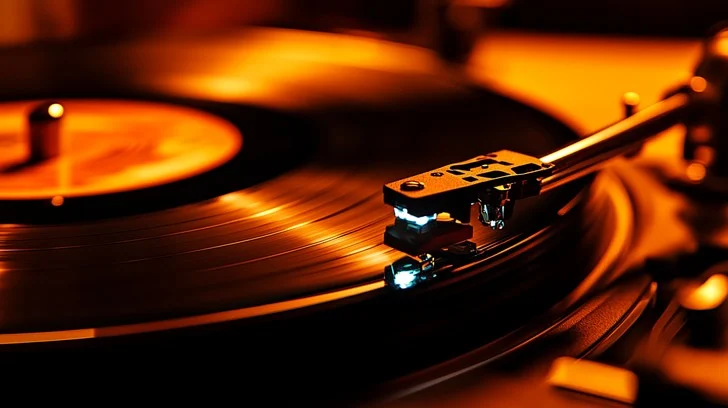
First, what makes vinyl different? A record is a physical groove that mirrors the soundtrack as a continuous wave. Your stylus (needle) literally rides that wave, turning vibrations into music. No numbers, no sampling—just movement turned into sound. That directness is a big part of vinyl’s appeal.
Many listeners describe vinyl as warm, rich, or more “alive.” Technically, vinyl adds a touch of harmonic coloration and has a different noise character than digital. Those tiny mechanical interactions—the stylus, the groove, the turntable—can create a palpable sense of presence. It’s not mathematically “perfect,” but it can feel wonderfully human.
Why Vinyl Records?It's All About Quality of Sound!
Mastering matters, too. During the “loudness war,” a lot of digital releases were pushed to be as loud as possible, squeezing the dynamic range. Vinyl cuts often use different mastering with more breathing room, because records don’t tolerate extreme compression and brickwalling very well. The result can be punchier drums, airier vocals, and a more relaxed, musical flow.
Why vinyl records rather that downloading music? Ownership, for one. A record is yours; it won’t vanish with a lost password or a pulled license. You also get a large-format album with art and liner notes you can actually read, plus a reason to sit down and truly listen. Downloads are convenient, but vinyl brings intention, community, and often a master that sounds more engaging.
And what is the advantage of Vinyl over CD's? CDs have higher theoretical signal-to-noise ratio and dynamic range, and they’re wonderfully convenient. But many listeners prefer vinyl’s presentation: the analog ease, the way bass and mids feel, and the different mastering choices that can sound less fatiguing. Add the tactile artwork, collectability, and ritual, and vinyl wins hearts even when the lab specs say otherwise.
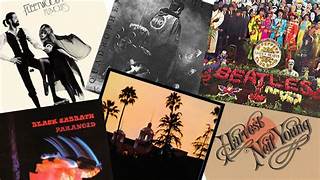
.....And Then There Is the Covers!
Then there’s the art. A 12-inch jacket is a gallery you can hold—photos, lyrics, credits, stories. You’re not pinching and zooming on your phone; you’re opening a beautifully big cover with images and information that invite you into the world of the album. It deepens your connection to the music.
The ritual is real. You choose a record, slide it out carefully, brush the dust, cue the needle, and commit to a side. Those built-in breaks invite you to listen as the artist sequenced it, not as an endless shuffle. It’s screen-free, intentional, and calming.
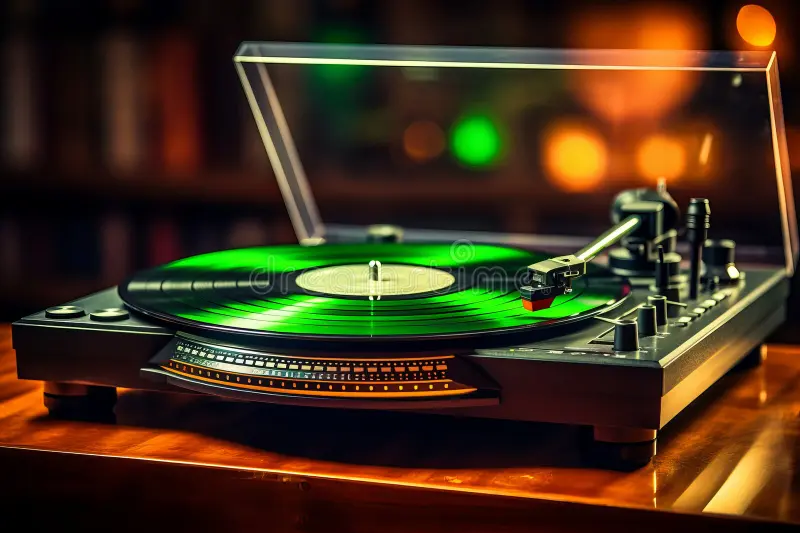
Gear doesn’t have to be scary. You need a turntable, a cartridge (the piece that holds the stylus), a phono preamp (sometimes built into the turntable or receiver), and speakers or headphones. Many modern turntables include a built-in phono stage and Bluetooth, so you can plug in and play with minimal fuss.
Just check out the covers that are worth buying the album for!
The Beatles albums with the fold out covers!
Led Zeppelins Classic album Covers!
Pink Floyd, Dark Side of the Moon, and Wish You Were Here!
Getting started can be affordable. A solid entry-level turntable plus powered speakers is enough to enjoy the core experience. If you’re buying used, make sure the turntable runs at consistent speed, the tonearm moves freely, and the stylus isn’t worn. Later, you can upgrade the cartridge for a surprising jump in sound.
Why vinyl records comeback? Community fuels the comeback. Independent record stores, listening bars, and events like Record Store Day make discovery social and fun. Crate-digging turns music hunting into an adventure. This human factor is a big part of Why Are Vinyl records So Popular Again: people miss sharing music beyond a screen.
First pressings, special editions, and unique pressings (colored or 180-gram) can feel like treasures. Records also have resale value, especially if you keep them clean and the jackets crisp. You’re not just paying for access; you’re building a library.
Longevity matters. With reasonable care—vertical storage, anti-static sleeves, a clean stylus—records can last decades and still sound great. Digital files depend on devices, formats, and accounts; CDs can scratch; streaming catalogs change. Vinyl stands on its own, no internet required.
Caring is simple. Use a carbon-fiber brush before each play, keep records in quality inner sleeves, store jackets upright, and avoid heat and sunlight. Clean the stylus periodically and replace it as recommended. These basics preserve both sound quality and value.
Modern music thrives on vinyl. Most new albums get vinyl releases, often with bonus tracks or alternative artwork. Reissues can reveal new detail, especially when cut from great sources by skilled mastering engineers. Tip: if the source and pressing quality are good, results can be outstanding.
Why Vinyl Records? Why Not!
Enjoy this site? Share with friends!