Linda Ronstadt
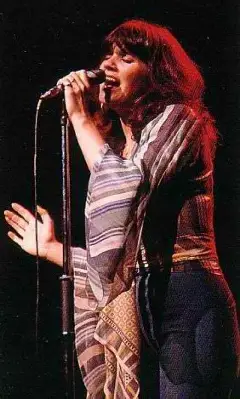
Linda Ronstadt is one of those rare artists whose name rings a bell for almost everyone—even if people only remember a handful of radio Favorites. But once you look past the “greatest hits” image, the real story is much bigger: a singer with a fearless ear, a serious work ethic, and a career that keeps surprising you the deeper you go. She didn’t just have a successful run in pop-rock; she kept walking into new rooms—country, folk, big-band standards, Broadway, Spanish-language music—and somehow made each one feel like home.
Born in Tucson, Arizona in 1946, Ronstadt grew up in a household where music was part of everyday life. The Ronstadt family’s roots in the Southwest and northern Mexico mattered—not as a trivia footnote, but as a foundation. Long before she made Spanish-language albums decades later, she already had that musical world in her ears. That early mix of American pop, country, folk, and Mexican music helped shape the open-minded singer she would become.
In the mid-1960s she left Arizona for Los Angeles, arriving right as the city was turning into the nerve centre of a new singer-songwriter and country-rock scene. Those early years weren’t glamorous: auditions, small gigs, learning the industry, learning how to front a band, learning how to choose material. What stands out is that even then she was being noticed—her voice had both clarity and force, and she could sell a lyric without over-singing it.
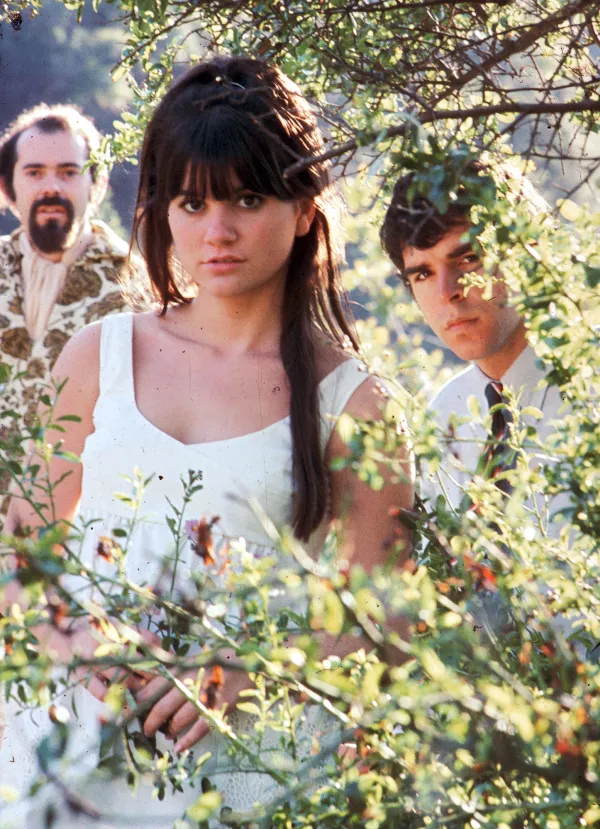
Linda Ronstadt Gets Going With Stone Poneys
Her first major platform came with the Stone Poneys, a folk-rock trio that became part of the L.A. club circuit and the growing “California sound.” The group’s most famous moment was “Different Drum,” a song written by Michael Nesmith. Ronstadt’s lead vocal made it a breakout hit in 1967, and it essentially introduced the larger public to the unique combination she could deliver: warmth, authority, and a kind of emotional directness that cut through the era’s dreamy arrangements.
The Stone Poneys years also reveal something important about Linda Ronstadt’s instincts. She wasn’t simply trying to fit into a trend—she was already curating songs, finding writers, and demonstrating that she could carry a recording with personality and precision. Even when the group format didn’t fully capture the size of her talent, the experience gave her crucial time onstage and in studios, sharpening the craft that would soon power a solo breakthrough.
By the end of the 1960s, Ronstadt had moved into a solo career—but success didn’t arrive overnight. Her early solo records showed promise, yet the big commercial wave still hadn’t come in. In hindsight, this “building” period was a gift: she was testing styles, trying different producers and musicians, and becoming the kind of artist who could lead a band with confidence. That flexibility would later become her signature.
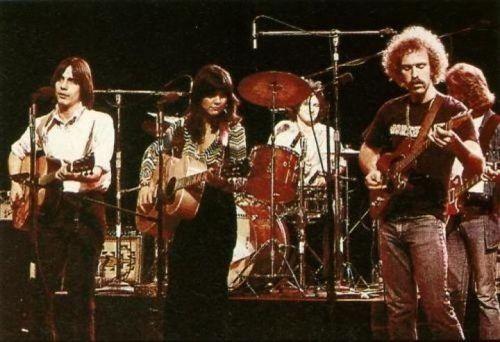
Linda, The Eagles and Others
If you want to understand her connection to The Eagles, it helps to picture the L.A. scene as a tightly connected ecosystem. Before The Eagles became a stadium-filling band, Glenn Frey and Don Henley played in Linda Ronstadt’s backing group on tour in the early 1970s. That lineup—along with other top-tier players around town—was the kind of working-musician environment where future supergroups were formed almost casually, between rehearsals and road dates.
Ronstadt’s band wasn’t “The Eagles with a different singer,” but her road group did become a meeting point for musicians who would soon define 1970s rock radio. Frey and Henley’s time with her is often mentioned as part of the origin story of The Eagles, and it also reflects Ronstadt’s credibility: she attracted serious, ambitious players. She was already operating like a headliner who understood arrangements, keys, pacing, and how to make a show land.
Then came the major mid-1970s breakthrough—when the combination of song choices, production, and her increasingly confident identity clicked with the mass audience. Albums like “Heart Like a Wheel” (1974) turned her into a dominant force, and it wasn’t just because she had a great voice. It was because she knew how to interpret material—how to make a cover feel like a definitive version, and how to turn a lyric into a lived experience.
That era produced a stream of hits that still define “Linda Ronstadt songs” for many listeners: “You’re No Good,” “When Will I Be Loved,” “Blue Bayou,” and “It’s So Easy,” among others. A key point, though, is that these weren’t all written for her, and some weren’t even new. Ronstadt had a gift for song selection—pulling from country, R&B, rock, and songwriter circles—and then delivering performances that felt both radio-perfect and emotionally unforced.
One reason she kept crossing genre lines successfully is technical: she had control. Ronstadt could sing softly without disappearing, belt without losing pitch, and phrase a melody with a pop sensibility even when the roots were country or soul. She wasn’t trying to “act” like a genre; she honoured the song and brought her own tone to it. That’s why her crossover success didn’t feel like a marketing plan—it felt like an artist following curiosity.
Through the 1970s, her recordings also helped spotlight an incredible community of writers and collaborators. She championed songs connected to the L.A. singer-songwriter world—people like Warren Zevon (“Poor, Poor Pitiful Me”) and others whose work gained new reach through her voice. She had an interpreter’s ear: she could hear not only what a song was, but what it could become when framed with the right tempo, harmony, and emotional temperature.
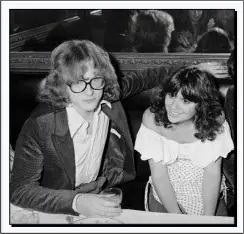
Peter Asher Lends a Hand
Behind the scenes, management and production mattered, and Peter Asher became a pivotal figure in helping guide her career. Asher—who had his own pop history and a producer’s sensibility—worked with Ronstadt during her rise and helped shape projects that balanced artistry and accessibility. Their partnership was part of how her records could be adventurous without losing focus: high standards in the studio, smart choices about material, and a clear sense of who the audience was—without letting the audience dictate everything.
If you’re exploring “Linda Ronstadt albums,” it’s worth noting how consistently she delivered during her peak years: records like “Prisoner in Disguise”(1975), “Hasten Down the Wind” (1976), and “Simple Dreams” (1977) kept her near the centre of American popular music. Yet even during this commercially dominant period, she was setting herself up for something more interesting than a standard pop-star path—because she never stopped thinking beyond the next single.
A perfect example of that bigger ambition is her move into orchestral pop standards with arranger and bandleader Nelson Riddle. For a rock-era superstar to record a full album of classic American standards—rich arrangements, traditional phrasing, and a completely different vocal discipline—was a bold pivot. “What’s New” (1983) wasn’t a novelty; it was a serious artistic statement, and it introduced many listeners to the idea that Ronstadt wasn’t only a rock singer—she was a vocalist in the classic sense.
The Ronstadt/Riddle collaboration didn’t stop at one record. She followed with “Lush Life” (1984) and later ‘For Sentimental Reasons’ (1986), further proving she could live inside that Great American Songbook tradition with elegance and restraint. These albums ask for a different kind of listening: less about the big chorus payoff, more about shading, tone, and timing. And Ronstadt’s success there confirmed what musicians already knew—her instrument was unusually versatile, and she respected the craft required for each style.
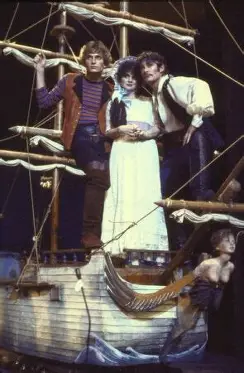
She didn’t just stretch in studios; she did it onstage too—most famously with *The Pirates of Penzance*. Ronstadt took on the role of Mabel in the late 1970s and brought serious commitment to a demanding repertoire. This wasn’t simply “a pop star on Broadway.” The part requires agility, clear classical technique, and stamina, and she treated it like a true performance discipline. It’s a major reason her career is so fascinating: she kept choosing challenges that could have exposed her—but instead expanded her credibility.
That classical-leaning side of her voice often surprises people who only know the rock hits. But if you listen closely across her catalogue, you can hear the underlying strengths: intonation, breath control, and an ability to float a phrase without losing core tone. Those qualities are what allowed her to step into operetta material and later return to pop without sounding like she’d “changed into a different person.” The through line is simply a great singer who does the homework.
Another crucial chapter is her deep engagement with Spanish-language music, most notably “Canciones de Mi Padre” (1987). This wasn’t a casual side project; it was a personal, cultural, and musical homecoming connected to her family background. The album became hugely successful and introduced a wide audience to traditional Mexican songs performed with respect and authenticity. It also reinforced the central Ronstadt theme: she followed genuine musical love, not genre boundaries.
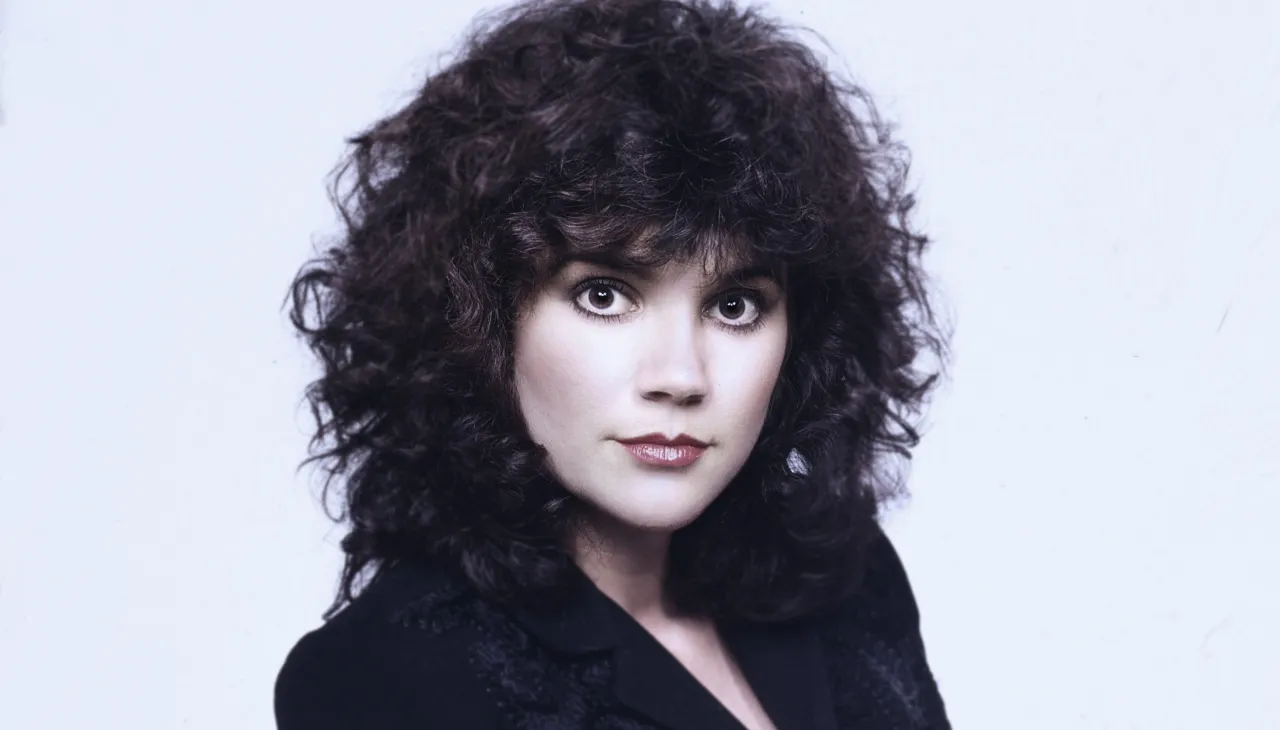
Across decades, she kept collaborating with a remarkable range of musicians, moving between rock bands, acoustic settings, orchestras, and traditional ensembles. That collaborative openness is part of why her discography feels so rich: she wasn’t trying to dominate every room; she was trying to serve the music. And that approach—paired with her strong instincts for repertoire—made her recordings feel less like “products” and more like chapters in a long, curious artistic life.
When you step back, Linda Ronstadt’s legacy is not only the chart success (though there was plenty of that). It’s the model she offers for what a popular singer can be: a serious interpreter, a stylist without gimmicks, and an artist brave enough to risk confusing her audience to grow. Whether you come for the hits, the standards with Nelson Riddle, the operetta spotlight of “Pirates of Penzance” or the Spanish-language masterpieces, you end up with the same conclusion: the story is bigger than you expected.
If you’ve only known Linda Ronstadt as “that great voice from the ’70s,” consider this an invitation to explore with fresh ears. Start with a few familiar tracks, then take a turn into the Nelson Riddle albums, then try *Canciones de Mi Padre*, then circle back to the Stone Poneys and those early L.A. years that quietly shaped so much of American music. The reward is discovering not just a hitmaker, but a genuinely versatile artist whose career is a guided tour through multiple musical worlds—led by one unmistakable voice.
Check Linda Ronstadt Vinyl HERE
Enjoy this site? Share with friends!